
-

 +8615890068607
-
 bella@nanbei-china.com
+8615890068607
bella@nanbei-china.com
 Tel: +86-371-60310701
 Mobile:+86 15890068607
 Fax: +86-371-60153566
 Email:bella@nanbei-china.com
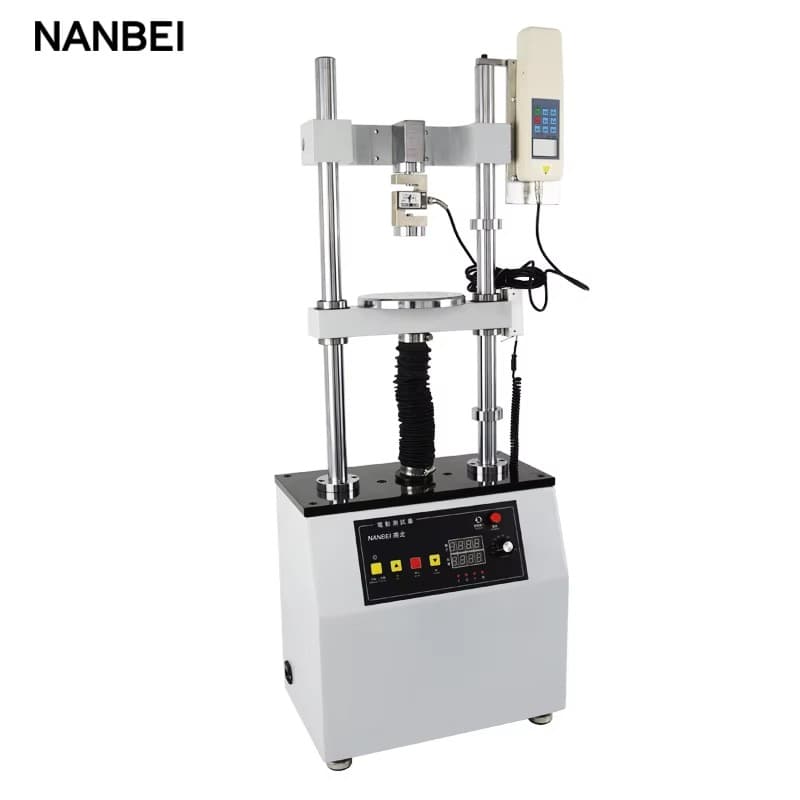
Tensile testing machines are primarily used to evaluate the mechanical properties—such as tensile strength, compression, peel strength, and tear resistance—of materials, components, and finished products. They are widely employed in sectors including mechanical manufacturing, automotive parts, textiles, packaging, and quality inspection organizations.
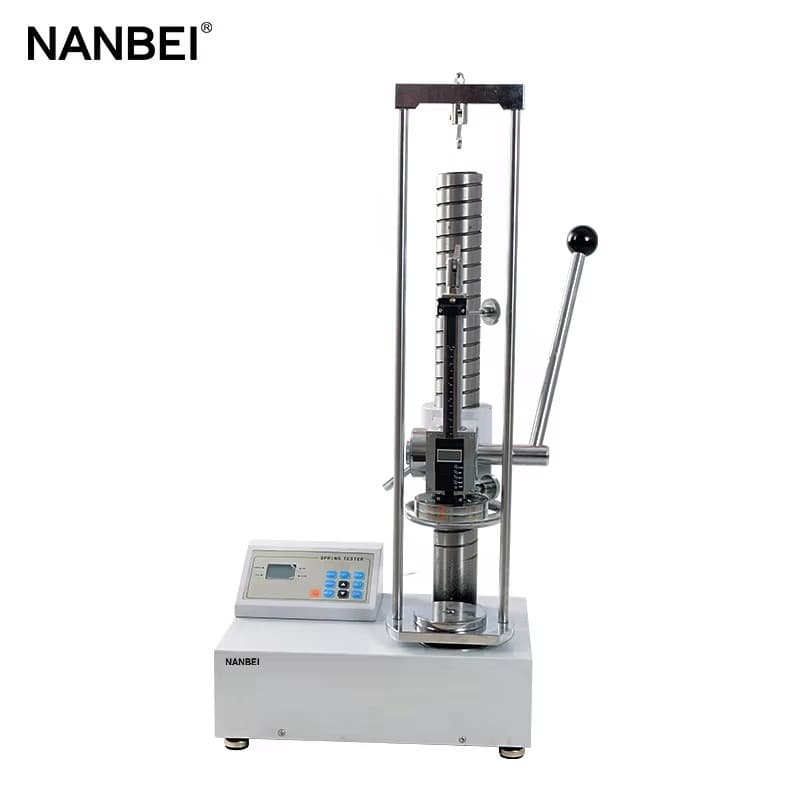
How to extend the service life of tensile tester:
1. When selecting a tensile tester, choose an appropriate capacity range and, whenever possible, allow for a safety margin. Exceeding the rated capacity is the primary cause of damage to tensile testers.
2. Ensure the tensile tester does not come into contact with acidic or alkaline gases or liquids.
3. Minimize the risk of impacts to the tensile tester. Although sensors are often equipped with anti-collision features, excessive impact can still damage the sensor, thereby compromising the measurement accuracy of the device.
4. Perform regular maintenance on the tensile tester. Due to factors such as usage, environmental conditions, and the natural aging of components, the accuracy of the device may shift over time; therefore, it should be calibrated or verified periodically.
Empower Innovators Worldwide with Precision Instruments to Create the Future of Science Together
Scientific instruments are not merely tools, but also standard symbols of innovation. NANBEI INSTRUMENT is advancing high-end instruments for global service through continuous innovation by its R&D team.
Previous: No Information
Why the push-pull force gauge giving inaccurate readings? — Find out here!